Don’t Be Fooled: The Model and Birthday Dating Scams
Important Warnings for Men Using Dating Websites
There’s an old saying that rings especially true in online dating: if something sounds too good to be true, it usually is.
Dating apps and websites can be a great way to meet new people and potentially find a meaningful relationship. However, it’s important to approach online dating with awareness and caution. Not everyone you encounter online is looking for a genuine connection.
While most users are honest, there are scammers who actively seek out unsuspecting people. Getting caught in a dating scam is the last thing anyone expects, and many believe they would never fall for one. Unfortunately, these scams are often carried out by experienced professionals who are skilled at manipulation, making them far more convincing than people realize.
That’s why staying alert and questioning unusual behavior is essential.
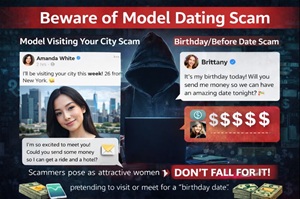
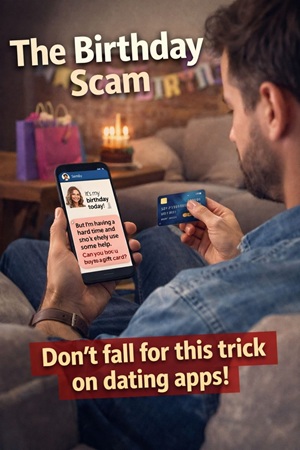
The Birthday Scam
One dating scam that appears to be becoming more common is the birthday scam. In this situation, the scammer will chat with you for several weeks, gradually building trust and familiarity. Eventually, she will mention—almost casually—that her birthday is coming up soon.
She usually doesn’t directly ask for a gift. Instead, she steers the conversation in a way that makes you feel inclined to do something thoughtful. Sending a birthday present may feel harmless or kind, but in many cases, this is where the scam reveals itself.
The person isn’t who she claims to be, and the gift is simply part of a calculated plan to extract money.
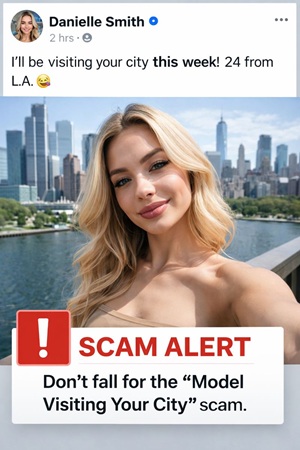
The “Model Visiting Your City” Scam
Another common scam involves someone claiming to be a model. She may tell you she has a modeling job scheduled in your city and suggests meeting while she’s there.
To make the meeting possible, she asks you to make a so-called “charitable donation” in exchange for spending time together.
In reality, she isn’t a model, the donation has nothing to do with charity, and there is no planned visit. The entire story is fabricated to convince you to send money.
How to Protect Yourself
To avoid becoming a victim of dating scams, always stay cautious and listen to your instincts. Never send money, gifts, or financial details to someone you’ve met online.
Anyone who asks for—or subtly hints at—financial help should be treated as a serious warning sign.
By staying alert, questioning anything that feels off, and refusing to mix money with online relationships, you can protect yourself and keep your dating experience safe and genuine.