How Dating Scammers Manipulate Photos
Online dating can be a positive way to meet new people, but it also comes with risks. While many users enjoy genuine connections, dating platforms are also widely used by scammers looking to exploit trust.
If you’re a heterosexual man, you may avoid some online dangers such as stalking, but you’re especially vulnerable to a different threat: dating scammers posing as women. These scams have become increasingly sophisticated, and with the help of photo-editing tools like Photoshop, scammers can create profiles that look highly convincing and legitimate.
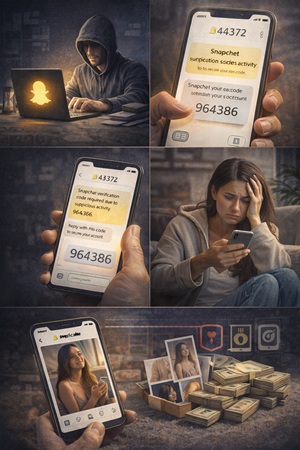
How Do These Scams Work?
Although they’re often described as “female scammers,” many of these fraudsters are actually men pretending to be women. They create fake dating profiles using stolen or heavily edited photographs to attract attention.
Once contact is made, the scammer maintains regular communication through messages, texts, and sometimes phone calls. They often come across as caring, affectionate, and emotionally engaged. Over time, they work to build trust and create an emotional bond.
After that trust is established, the financial requests begin. Common reasons include emergency travel costs, unexpected fines or legal problems, medical emergencies, and claims of financial hardship.
While scammers can target anyone, heterosexual men are the most frequent victims. This is largely because dating platforms often have more men than women, making it easier for scammers to gain attention and avoid competition.
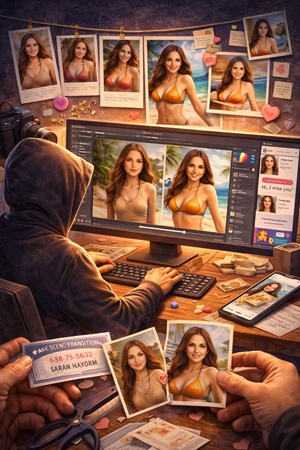
Where Does Photoshop Come In?
Most people would be cautious if someone they met online suddenly asked for money. Scammers know this, which is why they focus on removing doubt and making themselves appear undeniably real.
One popular tactic involves sending “proof photos.” The scammer may agree to write your name or a personal message on a piece of paper and send a photo of themselves holding it. At first glance, this seems like strong evidence of authenticity.
In reality, it’s easy to fake. Using Photoshop or similar tools, scammers can take an image of almost anyone found online and edit it so it appears that the person is holding a custom message meant specifically for you.
These images are designed to look casual and natural—just like real social media photos.
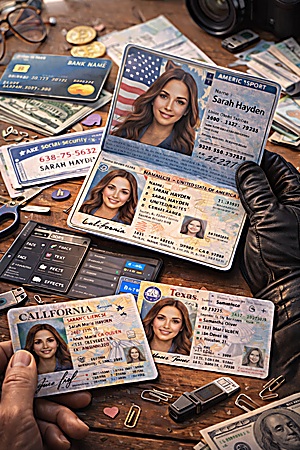
Fake Documents and Edited IDs
Another tactic scammers use is sending images of official-looking documents, such as passports or ID cards, to “prove” their identity. Even careful individuals may find this convincing.
However, these documents are often digitally altered. In most cases, they don’t prove identity at all—only that the scammer is skilled at manipulating images.
Final Thoughts
Dating scammers rely heavily on emotional manipulation and visual deception. Photo-editing tools allow them to create fake “proof” that lowers suspicion and makes their schemes more believable.
The most reliable way to verify someone’s identity is through live video calls—not photos or documents. If someone avoids real-time video interaction or repeatedly makes excuses, it’s a serious warning sign.
Staying informed, skeptical, and cautious is your best defense against online dating scams.