Warning: Gold and Romance Scams in Online Dating
Gold & Romance Scams Operated by Female Scammers
Gold and romance scams are becoming an increasingly serious problem in online dating. Africa—particularly Ghana—has gained attention as one of the regions most frequently linked to these schemes. With emails, messages, and profiles coming from all over the world, it is more important than ever to keep personal accounts secure and stay alert.
Ghana has been repeatedly associated with dating scams and large-scale financial fraud involving gold and diamonds. In many reported cases, men are the primary targets. These female scammers are often highly organized, intelligent, and experienced. Many of them operate multiple scams at once, treating it as a full-time business rather than a one-off scheme.

It’s important to recognize that many people in Africa genuinely use online dating platforms for real relationships. However, investigations and reports show that a significant number of dating scams do originate from this region. Economic challenges such as unemployment, low wages, and corruption play a major role. For scammers, money taken from victims in Europe, North America, or Australia can be life-changing, making it worthwhile to spend months building emotional trust and false relationships.
As a result, scam tactics have become increasingly sophisticated over time.
Common Gold & Romance Scam Tactics
1. Paying to Buy Leave From Work
One common story involves the scammer claiming she doesn’t have enough vacation time to visit. She explains that her employer allows staff to “buy” additional leave days for a fee. The victim is asked to cover this cost. After the payment is sent, she then requests more money for airfare.

2. Gold, Diamond, or Customs Stories
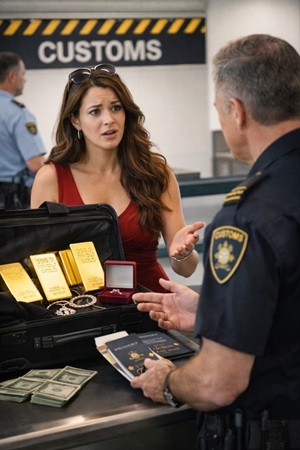
Another frequent tactic involves claims of discovering a box filled with gold, diamonds, or valuable jewelry—often said to be found in a desert or remote area. The scammer claims the box was shipped overseas to help her start a new life, but it has supposedly been seized by customs. She then asks the victim to pay release or customs fees.
In reality, there is no gold, no shipment, and no customs issue—just another fabricated story designed to extract money.
How to Protect Yourself From Dating Fraud
Online dating scams continue to rise, and even dating platforms admit there is only so much they can do to stop them. However, individuals can greatly reduce their risk by following these safety guidelines:
- Never share sensitive personal or financial information online
- Never send money or provide bank, credit card, or account details to someone you don’t fully trust
- Be cautious of anyone who pushes to move conversations from a dating platform to private email right away
- Trust your instincts—if something feels off, don’t ignore it
- Avoid engaging with people overseas, and remain cautious even if someone claims to be in your country
Online dating scams—particularly gold and romance scams—are increasing worldwide. Anyone looking for love online must stay informed, cautious, and alert to warning signs. Protecting yourself starts with awareness and a healthy level of skepticism, especially when money enters the conversation.