How to Spot a Scammer
Imagine opening your inbox and seeing an email from someone who seems genuinely interested in you. She appears kind, attractive, and attentive. After you reply, photos arrive—and she looks almost unreal. You start to wonder if you’ve stumbled onto something special.
Unfortunately, many situations like this are carefully planned scams. The good news is that you don’t have to become a victim. By understanding a few common warning signs, you can protect yourself from online fraud.

When Money Comes Up, Walk Away
Most scammers have one clear objective: money. They are skilled manipulators who know how to build interest before revealing their true intentions.
In many cases, within just three to five emails, a financial problem appears. A common story involves a sudden family emergency, such as a sick parent who urgently needs medical care.
Another version involves claims of sudden wealth, such as an inheritance or valuable assets that require help transferring through a foreign bank.
If money enters the conversation, stop immediately. Genuine relationships never require payments or financial assistance from strangers.
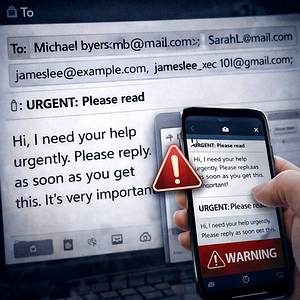
Emails Sent to Multiple People Are a Major Warning
One of the clearest signs of a scam is an email sent to multiple recipients. If you see several addresses listed, it’s almost certainly fraudulent.
Scammers use mass-emailing tools and automated systems rather than personalized communication.
Be Careful When Communication Shifts to Phone Calls
If you exchange only a few emails and are suddenly pushed to call a phone number, treat this as a red flag. Phone numbers allow scammers to continue collecting information while avoiding detection.
Often, the person answering the phone is part of a larger scam operation.
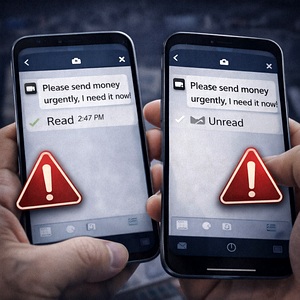
Use Read Receipts to Test Legitimacy
Enabling read receipts or delivery confirmations can help expose automated or fraudulent email activity. If messages go unacknowledged or fail to deliver, stop communicating.
Too Much Attention Can Be a Red Flag
If multiple women contact you using similar language or ignore your specific questions, it may be part of an automated scam system.
Overly Familiar Language Is Suspicious
Generic greetings like dear, honey, or sweetheart early in a conversation should raise concern. Scammers often rush emotional language to create false intimacy.
Provocative Photos with Little Information Are a Warning
Scammers frequently rely on provocative images instead of real personal details. This tactic is meant to trigger curiosity and encourage continued engagement.
Stay Informed, Stay Safe
If you suspect someone may be a scammer, pause and educate yourself before continuing. Never share money or personal information with someone you haven’t met in person.
Knowledge and awareness are your strongest defenses against online romance scams.